






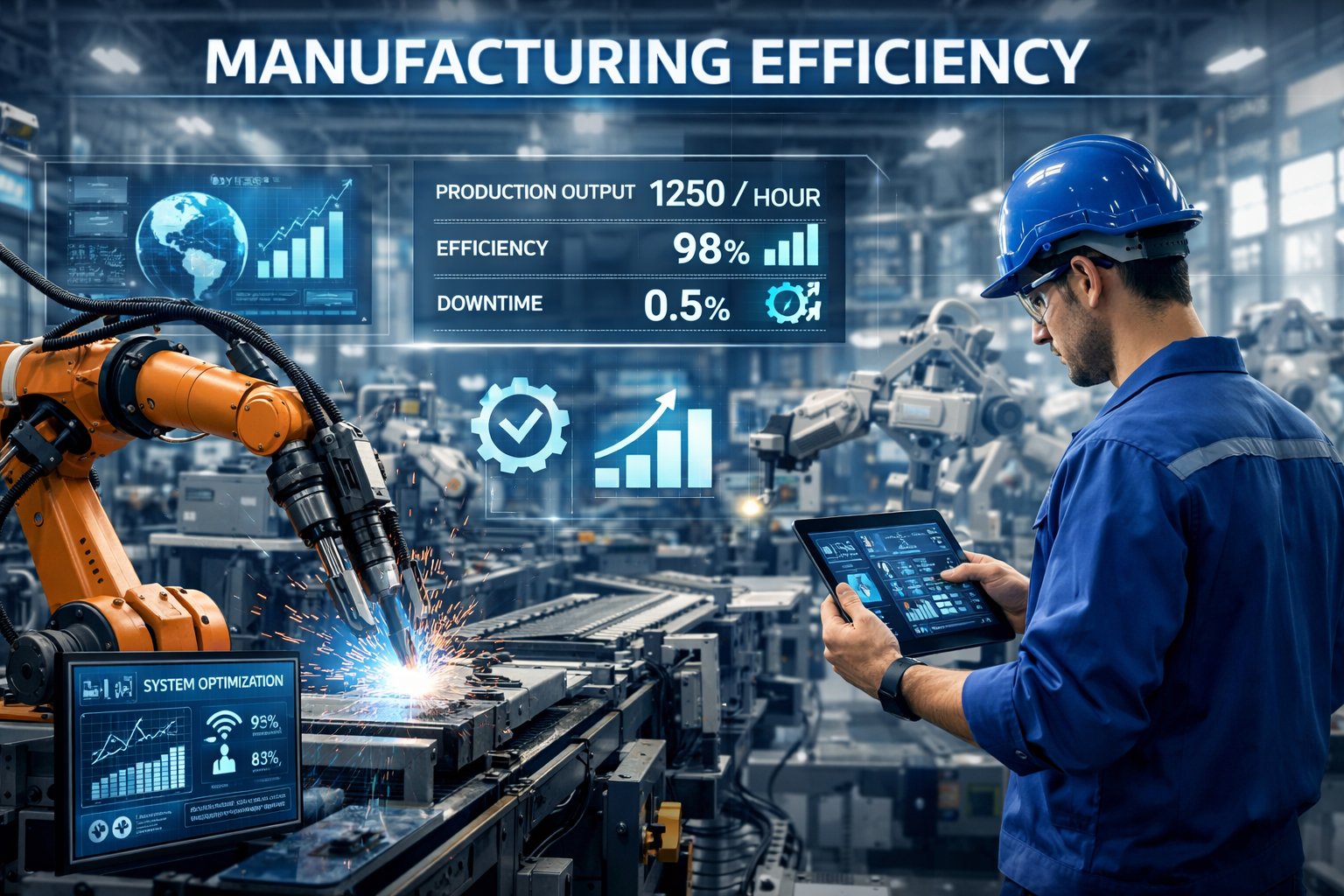
Maximizing Productivity with Efficient Manufacturing Practices
In today’s competitive industrial landscape, efficiency is the key to staying ahead. Manufacturers are under constant pressure to produce high-quality components faster, reduce waste, and optimize resources. By adopting modern efficiency-focused strategies, companies can improve output while lowering costs.
Why Manufacturing Efficiency Matters
Efficient manufacturing doesn’t just save time—it directly impacts profitability, quality, and customer satisfaction. Key reasons to focus on efficiency include:
-
Cost Reduction: Minimizing waste, energy consumption, and manual labor lowers operational expenses.
-
Faster Turnaround: Streamlined processes shorten production cycles, helping meet tight deadlines.
-
Quality Consistency: Efficient workflows reduce errors and maintain product standards.
-
Scalability: Optimized operations make it easier to increase production volume without overextending resources.
Strategies to Improve Manufacturing Efficiency
-
Automation of Repetitive Tasks:
Implementing robotics and automated systems reduces human error, improves consistency, and frees up employees for higher-value tasks. -
Lean Manufacturing Principles:
Techniques like 5S, Kaizen, and value stream mapping eliminate waste, streamline operations, and improve productivity. -
Advanced Monitoring and Analytics:
Real-time data collection from machines and processes allows for predictive maintenance and smarter decision-making. -
Optimized Workflow Design:
Proper layout planning and material flow design reduce bottlenecks and enhance production speed. -
Employee Training and Engagement:
Skilled operators familiar with efficiency practices ensure smoother operations and higher-quality output.
Benefits of Efficient Manufacturing
-
Reduced Waste: Less scrap, lower energy consumption, and optimized material usage.
-
Higher Productivity: Faster production cycles with consistent output.
-
Lower Costs: Reduced labor, downtime, and material costs.
-
Competitive Advantage: Efficient manufacturers can deliver better quality at lower cost, gaining an edge in the market.
Conclusion
Focusing on manufacturing efficiency is essential for modern production facilities. By combining automation, lean principles, smart monitoring, and optimized workflows, manufacturers can boost productivity, reduce costs, and improve product quality. Efficiency isn’t just an operational goal—it’s a strategic advantage that drives long-term success.